
Living in a tent for months or even a full year is more than an experiment — it’s a lifestyle that demands planning, discipline, and the right equipment. For many outdoor enthusiasts and digital nomads, long-term tent living offers independence without sacrificing comfort. The key is choosing a shelter that feels like home: spacious enough to move freely, stable in all weather, and safe to heat and ventilate through every season.
Coody’s approach to tent design follows that same principle — creating inflatable shelters built for real life, not just weekend trips. Each model combines reliable materials with thoughtful engineering, allowing you to build a sustainable setup that stands up to rain, wind, or snow while staying cozy and organized inside.
Choosing a tent that’s built for real living
Long-term tent living begins with choosing a structure designed to handle both time and weather. A true living tent isn’t just a sleeping shell — it’s a small home that must balance strength, insulation, and airflow. Look for double-stitched seams, reinforced flooring, and a frame that resists deformation under heavy wind or snow. Proper ventilation is just as essential: large windows, roof vents, and breathable canvas prevent condensation and make the air inside feel fresher during long stays.
Inflatable frame technology has changed how people approach extended camping. Instead of rigid poles, air beams distribute tension evenly and allow the tent to flex with the wind. This creates stability, quieter nights, and quicker setup — a major advantage when you move often or maintain your tent for months. For example, Coody XXL inflatable tents for camping provide generous standing height and space for furniture, heating, and storage, making them ideal for family or cold-weather living.
Those who prefer a more compact, cabin-style layout can explore the inflatable house collection — efficient, well-insulated models that still feel open and livable. And for a balanced setup that fits most long-term needs, the large inflatable tent combines easy maintenance with the comfort of a permanent base. Each option follows Coody’s philosophy of durable design: engineered air beams, breathable canvas, and a calm, light-filled interior built to support daily life — not just nights outdoors.
How to make tent life safe and sustainable
Start with the basics: know the rules where you plan to stay. Check local zoning, stay limits, fire regulations, and any requirements for grey-water disposal. Choose high, well-drained ground away from flood paths and deadfall. Keep a clear perimeter around the shelter and mark guy lines for night visibility.
Treat heating as a controlled system. If you use a wood, propane, or diesel heater, follow manufacturer clearances, add heat shields where fabric could get warm, and route exhaust safely. Install a carbon-monoxide alarm and a fire extinguisher you can reach from the main entrance. Build a daily routine: fuel check, vent check, spark arrestor inspection, and ash disposal into a sealed container once fully cold.
Ventilation is non-negotiable. Create low intake and high exhaust paths so moist air leaves even in winter. Crack vents while cooking or drying gear; use a drying corner with floor rugs to trap drips and reduce ground chill. Keep bedding off exterior walls to avoid cold-surface condensation.
Food and waste management protect both health and wildlife. Store food in sealed bins, clean cooking areas after every meal, and keep waste in odor-tight bags until disposal. Set a simple hygiene station with hand-washing, dish-drying, and a place for wet layers. For water, rotate containers, filter at intake, and direct grey water away from camp according to local rules.

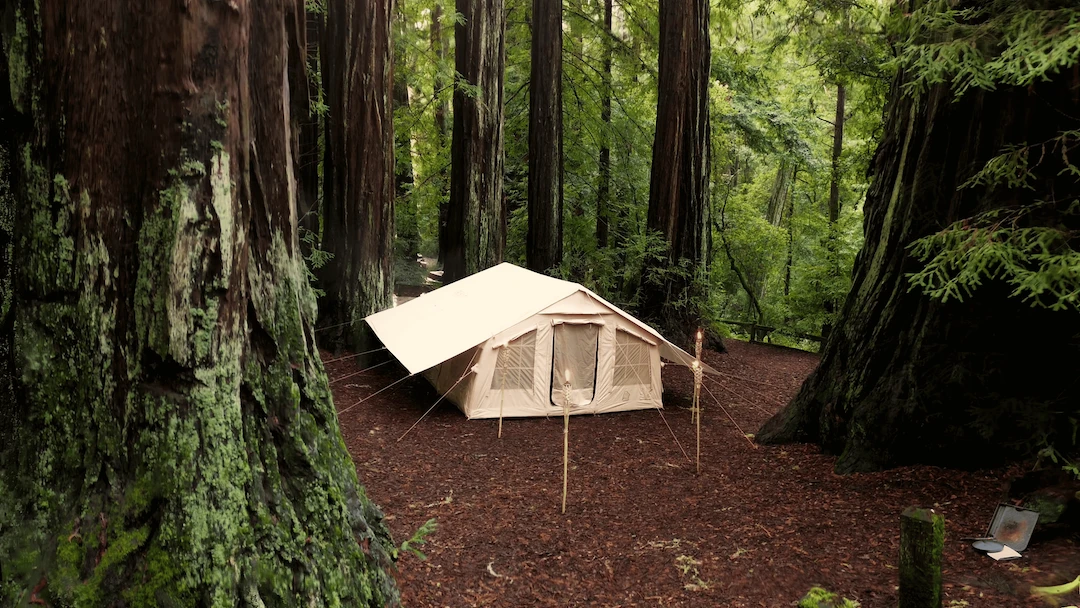
Weatherproofing and 4-season performance
Start at ground level. Use a heavy-duty groundsheet that extends slightly beyond the floor to stop splashback and capillary moisture. On wet sites, add a second, smaller inner mat to keep feet dry and create an insulating air gap. Keep entrances facing away from prevailing winds and build a windward buffer with natural features or low fencing.
Focus on the shell. A durable canvas with a reliable water barrier and taped seams matters, but tension is what keeps weather out. Stake all corners, pre-tension guy lines, and add storm guys from high points to long anchors. In snow, clear accumulation before it bridges; in freezing rain, gently break ice so the fabric does not sag. Lubricate zippers and inspect seam tape after temperature swings.
Plan for wind. Cross-guy key arches, use angled anchors, and double up lines at high-load points. Where possible, create flex rather than rigid resistance—allow the frame to move and return without stressing a single seam. Keep spare pegs for different soils and swap to longer stakes in sand or thaw.
Manage heat and moisture together. In winter, pair controlled heating with steady airflow: crack low and high vents to evacuate steam from cooking and drying. Use rugs, insulated underlay, and inner liners to reduce radiant loss and limit condensation on cold surfaces. Dry damp layers daily to prevent mildew.
Build a storm routine. Before bad weather: recheck tension, add secondary guys, secure loose items, and stage tools, patches, and extra cord. After the front passes: inspect anchors, seams, and any contact points; dry the shell and floor, then restore baseline tension. A consistent routine turns four-season living from guesswork into maintenance.
Organizing your living space
Think in zones. Create a dry entry with a mat and hooks, a sleeping zone that stays clean, a gear corner with racks, and a small kitchen surface near ventilation. Keep walkways clear so you can move at night without snagging lines or touching cold walls.
Prioritize standing height where you dress and work. Use vertical storage—hanging shelves, mesh organizers, and bins that stack—to lift gear off the floor and improve airflow. Dedicate a drying line near a vent or window; add a drip tray or rug so moisture doesn’t migrate across the living area.
Control clutter with containers. Label bins for cooking, tools, first aid, cleaning, and spares. Pack a transparent pouch for documents and maps. Store scented items and food in hard-sided, sealed boxes; elevate them on a rack to discourage rodents and keep space below open for circulation.
Manage light and temperature. Use window coverings you can adjust in stages to balance privacy, daylight, and heat loss. Place a small fan by a high vent to move moist air during cooking or drying routines. Keep bedding away from exterior fabric and add a soft barrier at head level to avoid contact with cold surfaces.
Finish with a daily reset: sweep grit, dry the entry mat, air bedding, and return tools to their bin. A five-minute routine preserves comfort better than major cleanups.
Сonclusion
Long-term tent living is practical when comfort and safety are treated as daily systems, not occasional fixes. Choose a shelter that holds its shape in weather, ventilates well, and gives you room to move. Pair it with a clear plan for heat, power, water, and sanitation, and commit to small routines that prevent big problems.
Inflatable, house-like designs make the setup faster and the interior calmer, but the outcome still depends on habits: tension the structure, vent during cooking and drying, protect against moisture, and log simple checks. With those pieces in place, a tent stops being temporary. It becomes a stable, four-season space you can live in with confidence.